Book the Best Hotels in India: Taj vs Oberoi Resorts
The fastest way to overspend on luxury hotels in India is to treat “Taj” and “Oberoi” as interchangeable five-star labels. They are not.
They sell different versions of Indian luxury, and the wrong choice can turn a high-yield booking into an expensive mismatch.
If you are trying to book the best hotels in India, the question is not “Which brand is better?” That is lazy. The useful question is sharper: do you want heritage, scale, and palace drama — or precision service, tighter curation, and fewer moving parts? Taj often wins the first lane. Oberoi often wins the second.
The verdict upfront: Taj is heritage muscle; Oberoi is service engineering
Taj and Oberoi sit at the top of Indian hospitality, but they reach that altitude by different routes.
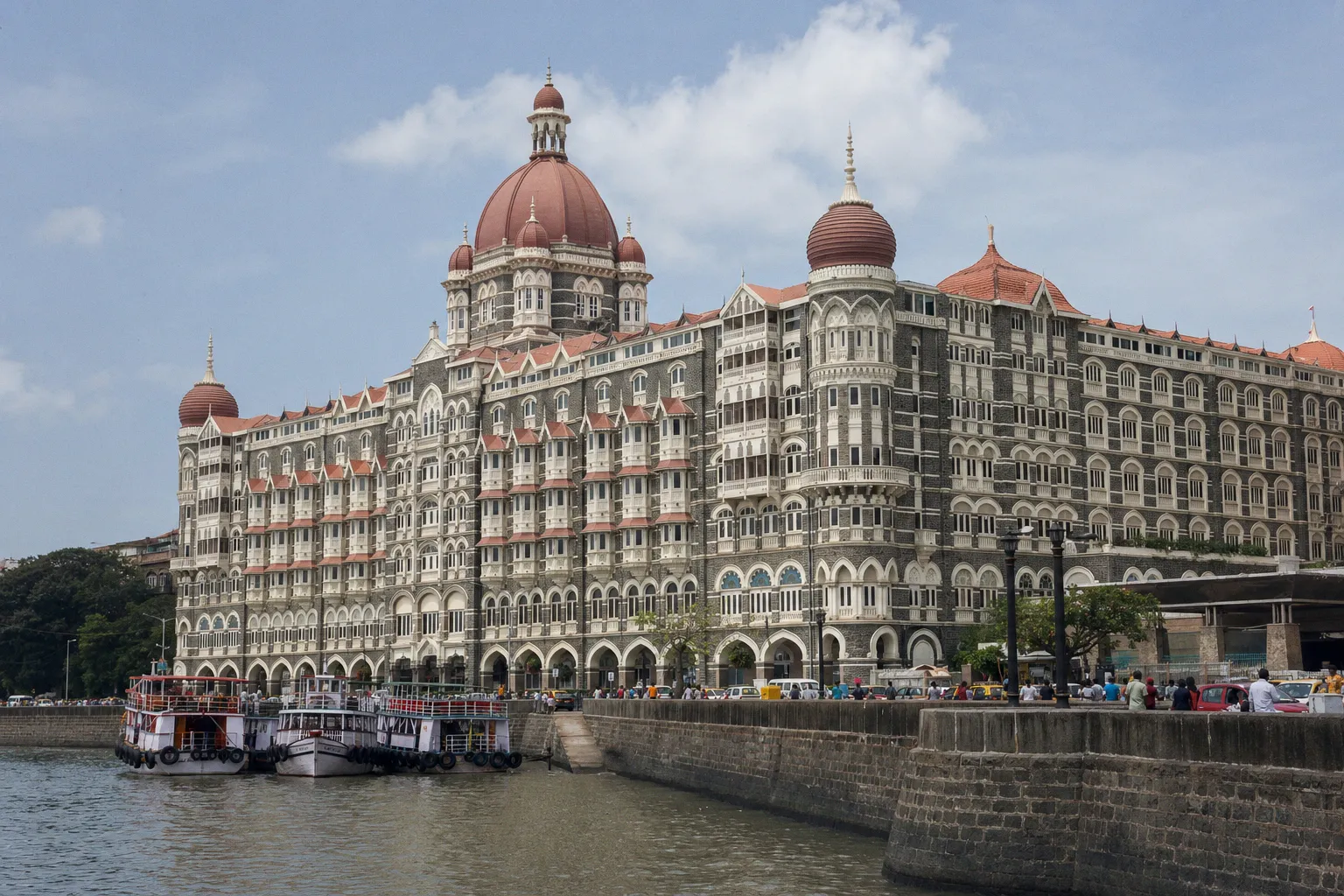
Taj has the heavier historical footprint. The Taj Mahal Palace in Mumbai opened in 1903 and became the flagship of the brand. It was also the first hotel in India to have electricity — a hard fact that matters because Taj still trades, quite successfully, on being woven into the country’s modern hotel history.
Oberoi is the tighter machine. Founded in 1934 by Rai Bahadur Mohan Singh Oberoi, the group built its reputation less on size and more on controlled execution. It frequently appears near the top of global “World’s Best” hotel lists from names like Travel + Leisure and Condé Nast Traveler, usually praised for service consistency and high staff-to-guest ratios.
That difference shows up in the guest experience.
Taj gives you range: palace hotels, business hotels, beach resorts, safari-style properties, urban icons, and mid-scale sister brands under Indian Hotels Company Limited. IHCL operates 200+ hotels globally across brands including Taj, SeleQtions, Vivanta, and Ginger.
Oberoi gives you selectivity: roughly 30+ luxury properties, fewer distractions, more focus. The best Oberoi hotels feel less like a large hospitality group and more like a highly disciplined system built around guest handling.
Here is the blunt comparison:
| Parameter | Taj Hotels | Oberoi Hotels & Resorts |
|---|---|---|
| Strongest proposition | Heritage, palace stays, Indian hotel history | Service precision, calm execution, curated luxury |
| Portfolio size | 200+ hotels globally under IHCL brands | Approximately 30+ luxury properties |
| Best-known strength | Rajasthan palaces and flagship icons | Personalized service and architectural polish |
| Risk factor | Portfolio inconsistency across sub-brands and property types | Fewer locations, often premium pricing, less variety |
| Best traveler fit | First India luxury trip, heritage-focused itinerary, palace collectors | Service-sensitive travelers, honeymooners, high-control itineraries |
| Booking trap | Assuming every Taj is a palace-level Taj | Assuming every Oberoi will deliver local historical texture |
Taj sells India’s grand hotel memory. Oberoi sells the feeling that nothing has been left to chance.
Taj: the high-drama option, and sometimes the smarter one
Taj is the brand to look at first if your India trip is built around place, history, and the emotional payoff of staying somewhere that could not be easily reproduced in Dubai, Singapore, or London.
That is especially true in Rajasthan.
Rambagh Palace in Jaipur and Umaid Bhawan Palace in Jodhpur are not generic luxury shells with carved screens added later. They are former royal residences, and that changes the value equation. You are paying not only for a bed and service but for the building itself: the arrival sequence, the lawns, the scale, the old-world rhythm, the slightly theatrical sense that the property is the destination.
That can be worth the rate. But only if you use the hotel correctly.
A palace hotel is bad value if you arrive at 9 p.m., eat room service, sleep, and leave for a fort at 8 a.m. The tariff is doing too much work for too little return. Palace hotels are high-yield only when you slow the itinerary down: late breakfast, pool time, afternoon tea, dinner on property, no frantic day packed with three monuments and a market stop.
Taj is also strong in cities where the hotel itself carries cultural weight. The Taj Mahal Palace Mumbai is the obvious example: 285 rooms and suites, opened in 1903, and still the flagship. For a first-time visitor to Mumbai, it anchors the trip. The location near the Gateway of India is not subtle, but it is practical. You can walk into the most photographed colonial-era pocket of the city without negotiating traffic every time you leave the lobby.
The catch: Taj is not one single experience.
IHCL’s portfolio spans more than the top-end Taj brand. It includes SeleQtions, Vivanta, and Ginger, which cover different market positions from upscale to mid-scale. That scale is useful, but it creates confusion. A traveler comparing “Taj” on one booking site may be looking at very different products: a palace, a city business hotel, a resort, or a sister-brand property under the same corporate umbrella.
This is where luxury travelers get sloppy. They see the name, assume the ceiling, and book the floor.
Where Taj makes most sense
Book Taj when the property is part of the reason you are going.
That includes:
1. Rajasthan palace stays where the building is the point. Rambagh Palace and Umaid Bhawan Palace are not just expensive places to sleep. They are itinerary anchors. Two nights minimum is usually the smarter play.
2. Mumbai if you want the historical flagship experience. The Taj Mahal Palace is not the quietest or most understated luxury choice in the city. It is, however, the most symbolically loaded.
3. Trips where you need a broad network. Taj’s scale matters if you are stitching together multiple Indian regions and want brand continuity without hunting through independent hotels every three days.
4. Travelers who enjoy ceremony. Taj often leans into hospitality theatre: arrivals, traditional gestures, grand public spaces. Some guests love it. Some find it overrated. Know which camp you belong to before paying peak-season Rajasthan rates.
The worst Taj booking is the one made for the logo alone. The best one is property-specific: you know exactly why this Taj, in this city, on this itinerary, is worth the premium.
Oberoi: the controlled environment, with fewer weak links
Oberoi is the brand I would pick for travelers who are easily irritated by friction.
Not because Taj lacks service. That would be an overstatement. At the top level, Taj can be excellent. But Oberoi’s advantage is consistency. Its luxury model is less sprawling, more controlled, and often built around very high staff-to-guest ratios. In top-tier Oberoi properties, that ratio can exceed 3:1, which sounds like a brochure statistic until you experience what it means: faster recognition, fewer repeated requests, cleaner handoffs between departments.
Oberoi’s best hotels are designed to remove micro-annoyances before they become visible. Airport transfer? Usually smooth. Breakfast preferences? Remembered. Housekeeping timing? Less random. Restaurant pacing? More disciplined. The system is the product.
The Oberoi Udaivilas in Udaipur is the obvious showcase. It has the kind of iconic setting that can compete with palace hotels without trying to impersonate one. That distinction matters. Oberoi is not usually selling “live like a maharaja” fantasy as aggressively as Taj’s Rajasthan palace properties. It is selling polished, uninterrupted luxury in a location that looks expensive because it is expensive to operate well.
That makes Oberoi dangerous for competitors and costly for guests.
You are often paying for absence: absence of chaos, absence of service gaps, absence of clumsy design, absence of staff who need to be reminded twice. This is hard to photograph and easy to undervalue until you have had a long Indian transit day, a delayed flight, and a hotel arrival that either saves the evening or finishes it off.
Oberoi’s luxury is less photogenic than a palace dome, but it is often more useful at 10:40 p.m. after a broken travel day.
Where Oberoi makes most sense
Choose Oberoi when you want the hotel to reduce complexity rather than add spectacle.
It is especially strong for:
1. Honeymoons and anniversary trips. Not because of clichés about rose petals. Because execution matters when the trip has emotional stakes and limited tolerance for logistical drag.
2. Short luxury itineraries. If you only have seven to ten days in India, service reliability has real value. There is less time to recover from a weak stay.
3. Travelers who prefer modern luxury over heritage theatre. If grand corridors and royal backstories do little for you, Oberoi’s cleaner control may feel like better money spent.
4. High-end first-time India travelers who fear friction. India rewards flexibility, but luxury travelers are not wrong to buy predictability in certain segments of the trip.
The limitation is coverage. Oberoi’s portfolio is far smaller than Taj’s. If your route is conventional — Delhi, Agra, Jaipur, Udaipur, Mumbai — you will find strong options. If your trip is more regional or unusual, Taj’s broader network and affiliated brands may simply give you more usable choices.
Palace stay or precision stay: the real cost-benefit split
The smartest booking decision starts with the itinerary, not the brand.
Luxury hotels in India are often priced not only by service level but by story. The problem is that story does not always convert into value for every traveler. A palace stay can be extraordinary. It can also be a tourist trap in velvet if you are barely on property.
Oberoi’s value is easier to defend when your itinerary is dense. Taj’s value is easier to defend when the hotel is the event.
Think of it this way:
| Travel scenario | Better fit | Why |
|---|---|---|
| Two nights in Jaipur with one full day free | Taj palace property | You can actually use the grounds, dining, and heritage setting |
| One-night stop after a late arrival | Oberoi-style service hotel | Smooth arrival and recovery matter more than atmosphere |
| First trip to Mumbai with interest in history | Taj Mahal Palace | The hotel is part of the city’s modern hospitality story |
| Honeymoon in Udaipur | Oberoi Udaivilas or top Taj, depending on taste | Oberoi for seamless service; Taj if heritage mood is the priority |
| Multi-city India itinerary with varied budgets | Taj/IHCL network | Wider spread of brands and locations |
| Traveler who hates inconsistency | Oberoi | Smaller portfolio, tighter service culture |
This is also where online hotel research gets messy. Luxury hotel claims are full of soft language: “legendary,” “iconic,” “unforgettable,” “world-class.” Most of it is harmless fluff, but it can blur the actual decision. I treat hotel marketing the way I treat travel rumors: verify the concrete claims, ignore adjectives, and read around the obvious hype. For a useful mindset on separating claims from noise, a general fact-checking approach to news and public claims is not a bad habit to bring into luxury travel planning too.
In hotel terms, the verifiable questions are simple:
- Is this a true heritage property or a newer hotel with heritage styling?
- Is the location useful for the actual daily plan, not just pretty on a map?
- Does the room category matter significantly at this property?
- Are you staying long enough to use what you are paying for?
- Is the brand name doing the work, or is the specific hotel earning the rate?
That last question kills many bad luxury bookings.
The hidden costs: not just the room rate
The nightly rate is only one part of the Taj-versus-Oberoi decision. The add-ons can shift the real cost fast.
Airport transfers at luxury hotels in India can be priced far above local car services. Dining on property, especially at palace resorts, can become the default because leaving the hotel is inconvenient or simply less appealing. Spa treatments, experiences, guided activities, and festive-season supplements can turn a “reasonable splurge” into a much heavier bill.
This is not an argument against booking high-end hotels. It is an argument for understanding where the money goes.
At Taj palace properties, the hidden cost is often inertia. You will want to stay in. That is partly the point. But if every meal and every idle hour happens on property, the hotel captures a larger share of the trip budget.
At Oberoi, the hidden cost is premium control. The smoother the hotel makes your stay, the easier it becomes to say yes to its ecosystem: car, dinner, spa, late checkout, curated experience. None of this is necessarily a bad deal. But it is rarely accidental.
A practical luxury budget should include:
1. Transfers. Compare hotel car pricing with a reliable private driver quote, especially for airport runs and intercity segments.
2. Meal pattern. If the property is remote or resort-like, assume more on-site dining. In cities, decide whether you want the hotel restaurants or the local food scene.
3. Room category logic. Entry-level rooms at a top property may still be excellent. But in palace hotels, views, wings, and suite categories can dramatically change the experience.
4. Seasonality. Rajasthan in peak winter and holiday periods can push rates into irrational territory. The exact nightly rate changes too much by platform and season to generalize cleanly.
5. Time on property. A resort or palace booked for a sleep-only night is usually poor value. A service-led city hotel can still make sense for a short stay if logistics are brutal.
This is where Oberoi can outperform its rate. If the hotel saves time, prevents friction, and improves recovery between travel legs, the value is not only aesthetic. It is operational.
Taj can outperform too, but under different conditions: when the property gives you an experience that no efficient modern hotel can replicate.
Brand scale: Taj’s advantage and its trap
Taj’s greatest commercial strength is scale. It is also the reason travelers need to read carefully.
Because IHCL operates a broad portfolio, the ecosystem is much larger than a small luxury-only group. That creates flexibility. A traveler can build a trip using a flagship Taj in one city, a heritage property in another, and perhaps a different IHCL brand elsewhere if the budget needs breathing room.
For international visitors, that is useful. India is not one hotel market. Delhi, Mumbai, Jaipur, Udaipur, Goa, Kerala, Varanasi, Agra, and the Himalayan belt behave differently. Inventory quality changes by city. Distances are punishing. Flight times are not always friendly. A broad network gives you fallback options.
But the trap is assuming brand uniformity.
A Taj in a major city, a Taj palace, a beach resort, and a business-focused property can deliver very different emotional and practical value. Add SeleQtions, Vivanta, and Ginger into the booking universe, and the gap widens further.
This is not a flaw. It is portfolio strategy. But the traveler has to decode it.
Oberoi avoids some of that confusion because the collection is smaller and more curated. Fewer properties means fewer ambiguous expectations. When you book Oberoi, you are usually buying into a narrower promise. That promise is not cheap, but it is clearer.
The trade-off: Oberoi cannot cover India the way Taj can. If you are planning a complex route, especially beyond the classic luxury circuit, Taj’s reach may matter more than Oberoi’s polish.
Rajasthan is the battleground — and the easiest place to overpay
If there is one region where Taj versus Oberoi becomes a real decision, it is Rajasthan.
Rajasthan is where India’s luxury hotel marketing becomes most intense: palaces, lakes, forts, courtyards, royal vocabulary, sunset terraces, and enough “regal” copywriting to make a sensible traveler suspicious. Some of the product is genuinely superb. Some of the pricing is inflated by fantasy.
Taj’s core strength here is heritage. Rambagh Palace in Jaipur and Umaid Bhawan Palace in Jodhpur are marquee examples. They sell the converted-royal-residence proposition better than almost anyone.
Oberoi’s counterpunch is controlled luxury in iconic settings, with Udaivilas in Udaipur as the reference point. It may not be a former royal residence in the same way, but it competes hard on setting, design, and service.
The decision should come down to city and rhythm:
- Jaipur: Taj makes a strong case if you want palace atmosphere and have time to use the property. If your Jaipur schedule is packed with Amber Fort, City Palace, shopping, and dinner reservations outside, be careful. The hotel premium may be underused.
- Udaipur: Oberoi is extremely competitive because the city rewards lake-facing calm and refined service. A top Taj can still make sense, but choose based on the specific property experience, not the city name alone.
- Jodhpur: Umaid Bhawan Palace is one of Taj’s strongest heritage plays. If you are going to pay for the palace fantasy, this is one of the more defensible places to do it.
- Agra: This is where travelers often overpay emotionally. The Taj Mahal view premium can be seductive. But Agra is usually a short stop. If your stay is only one night, prioritize logistics, sleep quality, and early monument access over brand romance.
Rajasthan luxury is not automatically overrated. But it is easy to buy the wrong night in the wrong city at the wrong price.
Service: where the small failures matter
Luxury service in India can be generous, warm, and deeply attentive. It can also be overstaffed but under-coordinated. That distinction matters.
A hotel can have many employees and still make you repeat your coffee order three times. A hotel can greet you beautifully and then mishandle laundry timing. A hotel can offer a ceremonial arrival and still be slow at checkout. These are small failures, but at top-tier rates they count.
Oberoi’s reputation is built on reducing those failures. Its staff-to-guest ratios at top properties often exceed 3:1, and while the exact number is less important than the result, the operational philosophy is clear: anticipate, track, follow through.
Taj, at its best, can be excellent and emotionally warmer. The top heritage properties often have a sense of occasion that Oberoi does not always try to match. But across a larger portfolio, consistency is harder. That is not scandalous. It is the reality of scale.
So the service question is not “Who is nicer?” That is useless.
The better question is: who is more likely to deliver the kind of service you personally value?
If you value ceremony, recognition, and a strong sense of place, Taj may feel richer. If you value invisible competence, clean timing, and fewer service gaps, Oberoi is the safer bet.
How I would book them on a serious India itinerary
For a first luxury trip to India, I would not choose one brand for the whole journey just for loyalty points or aesthetic neatness. That is a classic planning error. India is too varied, and the best hotel choice changes by city.
A sharper itinerary might look like this:
1. Mumbai: Taj Mahal Palace if history and location matter. It is the flagship for a reason. If you want quieter modern luxury elsewhere in the city, compare beyond the brand.
2. Udaipur: Oberoi if seamless resort execution is the priority. Especially for couples or travelers ending a busy North India route.
3. Jaipur: Taj if you are committing to the palace-stay rhythm. Do not book a palace and then spend the entire day off-site.
4. Jodhpur: Taj for Umaid Bhawan Palace if the budget allows and the stay is not rushed. This is one of the clearer heritage-value arguments.
5. Delhi: decide by location and purpose, not brand mythology. Delhi traffic punishes romantic hotel choices. Stay where your meetings, monuments, or onward transit make sense.
6. Agra: keep it tactical. One-night stays should be judged by access, sleep, and early logistics. Luxury for its own sake can be poor value here.
That mixed-brand approach is less tidy, but more intelligent. The goal is not to prove loyalty. The goal is to buy the best stay for each stop.
Final recommendation: choose the hotel, not the halo
Taj and Oberoi both belong in any serious conversation about the best hotels in India. But they are not substitutes.
Book Taj when the property has historical weight, when the building is part of the trip, and when you have enough time to enjoy the theatre you are paying for. Taj is strongest when it feels rooted: Mumbai’s flagship, Rajasthan’s palace circuit, heritage-led stays where the setting cannot be faked.
Book Oberoi when the trip needs control, polish, and service consistency. Oberoi is the better bet when the hotel’s job is to make India feel less logistically abrasive without draining the trip of place. It is especially strong for couples, short high-end itineraries, and travelers who notice every operational flaw.
The cleanest rule is this: Taj for heritage impact; Oberoi for service precision. Break the rule only when the specific property gives you a reason. Luxury in India is too expensive to book by logo.