India Releases Milestone Report on Unlocking Growth in Tourism and Hospitality
India’s tourism push just moved from slogan to paperwork. The Ministry of Tourism and NITI Aayog have released a report calling for regulatory reforms in accommodation and transport, with the stated…
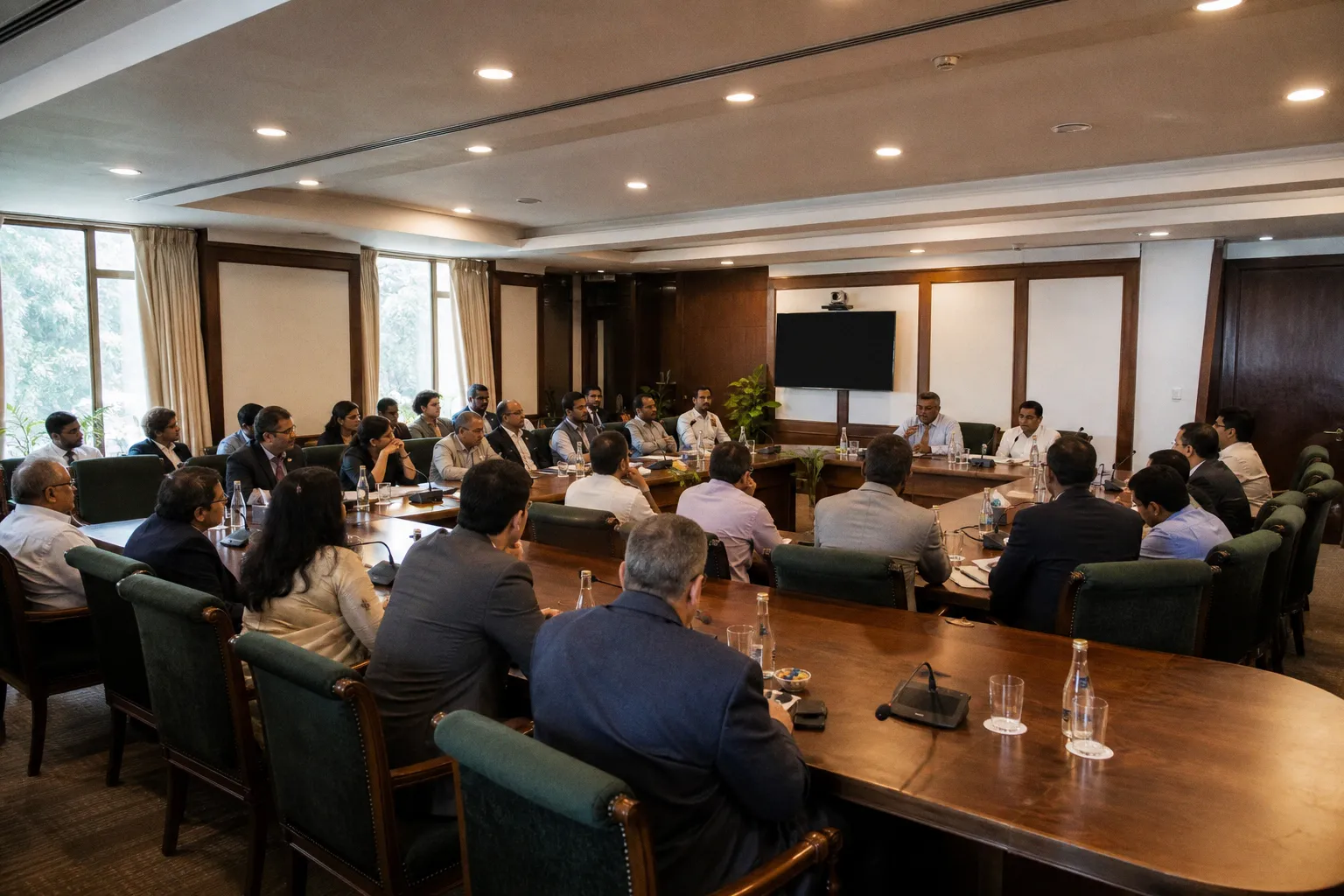
India’s tourism push just moved from slogan to paperwork. The Ministry of Tourism and NITI Aayog have released a report calling for regulatory reforms in accommodation and transport, with the stated aim of reducing project delays and improving India’s tourism competitiveness. For foreign travelers, that matters because India’s biggest trip friction is rarely the Taj Mahal queue — it is the uneven chain between airport, road, hotel, permit, and last-mile access.
The real target is the trip infrastructure, not the postcard
The report, as cited by Insights IAS, focuses on accommodation and transport regulation. That is the right pressure point.
India does not lack demand. It lacks consistency. A route can look simple on a map and still turn into a high-yield stress test once hotel licensing, vehicle availability, road access, and local operating rules collide. For travelers building multi-city itineraries — Delhi–Agra–Jaipur, Kerala coast plus hill stations, Rajasthan beyond the obvious forts — these bottlenecks show up as inflated transfers, patchy stay quality, and avoidable delays.
For related context, see India's textile sector eyes growth as FTAs, sourcing shifts align.
For related context, see Bollywood Box Office June 2026 Report: 72% Surge Over May.
The practical read: if reforms actually shorten project delays, the benefit would be felt less in glossy “luxury” launches and more in the boring but valuable middle — cleaner accommodation supply, more predictable transport capacity, and fewer places where prices jump because options are artificially thin.
That is the consumer-first win. Not romance. Not “hidden gem” language. Just fewer weak links.
Google deal points to a stronger digital funnel
Separate reports from MSN and Daily Excelsior say the Tourism Ministry has signed an MoU with Google to promote India’s tourist destinations through digital technology.
Useful, but don’t overrate it. Better digital promotion can help first-time visitors discover routes beyond the most recycled circuit. It may also make official destination information easier to find, which is a real need in India, where travelers often face a messy mix of state tourism pages, private operators, social media hype, and outdated blog advice.
But promotion is not the same as execution. A destination can rank well online and still be a logistical trap if the access is weak, stays are uneven, or transport pricing is opaque. For travelers, the smarter move is to treat future digital campaigns as a starting point, not a booking verdict.
If a lesser-known destination suddenly appears in slick discovery tools, ask the hard questions: how do you get there, what is the backup route, what accommodation standard is actually available, and does the season make the journey practical?
Luxury growth headlines need a cold read
Travel And Tour World points to a boom in India’s luxury travel market and cites global luxury tourism moving toward USD 2.15 trillion by 2035. That is a big-number headline, but travelers should separate market heat from personal value.
Luxury demand can improve supply at the top end: better hotels, curated experiences, and more polished service in key destinations. It can also push prices into overrated territory, especially in places already crowded with international attention. The Golden Triangle effect is the template: easy to sell, easy to overprice, not always the best use of budget.
The more interesting angle is whether India’s reform push helps broaden reliable options outside the obvious high-cost zones. If accommodation and transport rules become smoother, boutique-standard stays and credible regional routes could become easier to plan beyond the usual funnel.
For now, the verdict is cautious: this is a policy and promotion signal, not an instant upgrade for your next itinerary. Track where accommodation supply improves, where transport becomes easier to book, and whether official digital promotion is matched by on-the-ground reliability. In India, the best route is still the one that works after the marketing ends.