India Travel Industry Pushes for Policy Reforms to Boost Inbound Tourism
According to TTG Asia, India’s travel industry is asking the government for simpler visa processes, tax rationalisation and stronger tourism infrastructure.
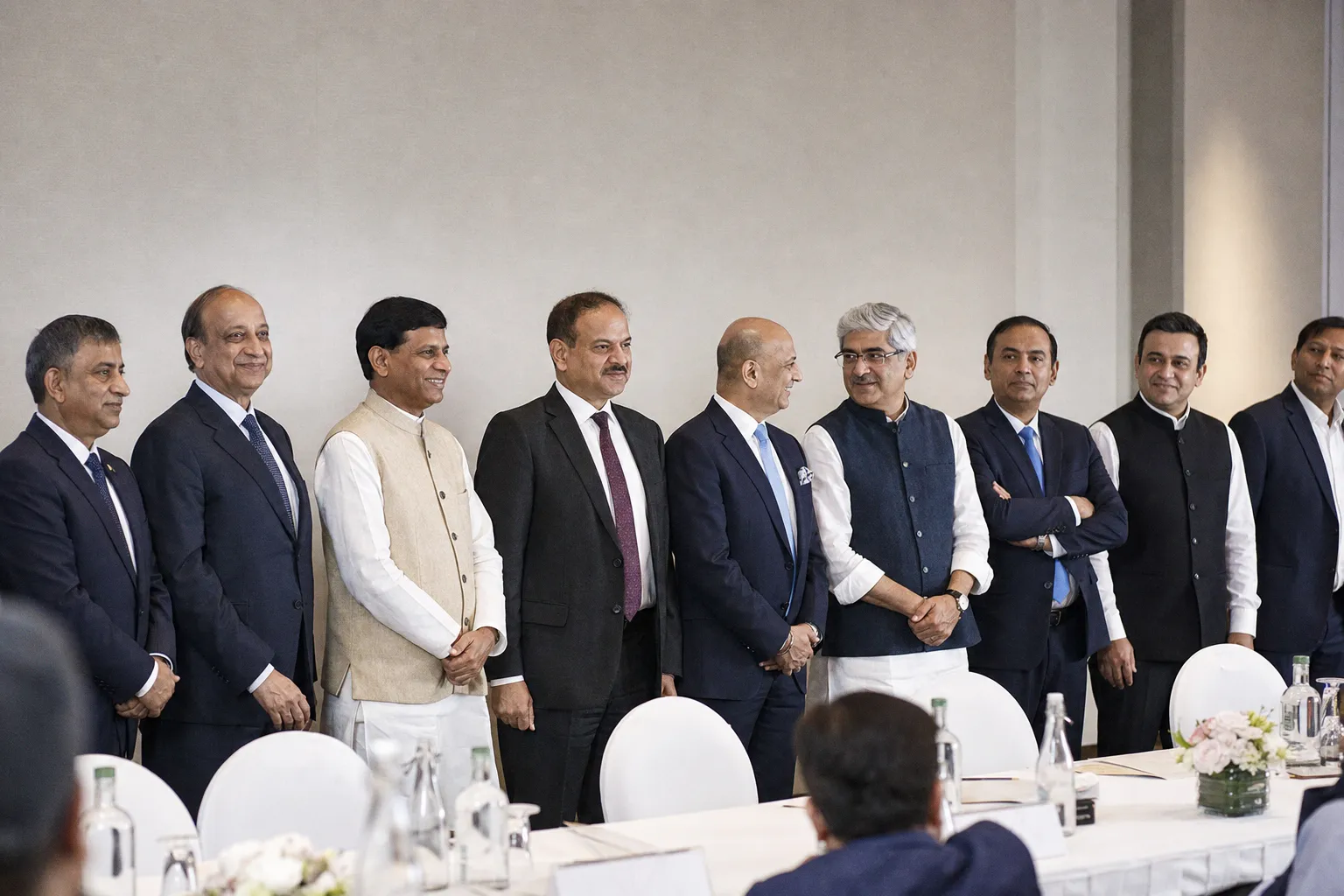
The message from the FAITH Conclave 2026 is blunt: India has the experiences, but the inbound journey still carries too much friction. For international visitors, that is the real issue—not another glossy destination campaign.
FAITH, the umbrella body representing major Indian travel-trade associations, has presented a Tourism Growth Charter aimed at making India more competitive for foreign travellers. It is a proposal, not a change in the rules. Do not mistake industry pressure for a new visa policy.
The visa bottleneck is finally being named
Among FAITH’s requests are expanded e-visa access and simplified entry procedures for international travellers. That is the high-yield reform in the package.
For a first-time India itinerary, entry planning is not a minor pre-trip chore. It shapes whether travellers commit to a multi-region route, make a short stopover, or choose an easier alternative altogether. India can be extraordinary once you are moving; before that, the process needs to feel predictable.
The industry is also calling for tax changes aligned with global benchmarks. That may sound like an internal hotel-sector issue, but it lands directly in room rates, tour pricing and the viability of new accommodation supply. In practical terms: fewer structural costs would give operators more room to compete without stripping a stay down to tourist-trap standards.
Better routes matter more than bigger promises
FAITH has urged faster development of 50 tourism destinations previously announced by the government. Its infrastructure asks go beyond airports: last-mile links, wayside facilities, convention centres, cruise terminals and digital infrastructure are all on the list.
That is the right diagnosis. India’s weakest travel moments are often between the headline attractions: the transfer after the train, the final road to a heritage site, the lack of a reliable rest stop, or the opaque local booking process. A boutique-standard hotel cannot rescue an itinerary that burns half a day in logistical clutter.
The government’s tourism and culture minister, Gajendra Singh Shekhawat, said work is under way toward Destination Management Authorities across the country, with the aim of developing destinations that are better managed, safe and sustainable. The meaningful test will be execution on the ground, not the acronym.
What visitors should watch—and what not to assume
FAITH says India currently receives nearly 10 million foreign visitors and wants that figure to reach 100 million by 2047. It also wants tourism’s contribution to GDP to rise to 10 per cent. Those are long-range ambitions, not a reason to overhaul a trip plan today.
For now, the traveller takeaway is narrower. Watch for actual official updates to e-visa eligibility and entry procedures; until then, use the published requirements for your passport and travel dates. Build routes with margin, especially where the final connection is by road. And judge hotels by location and transfer reality, not by a polished listing.
India does not need to become frictionless to be worth visiting. But it does need to stop treating friction as part of the product.