Navigating Delhi During the July 2026 Monsoon Session Protests
According to the U.S. Embassy & Consulates in India, Central Delhi is likely to be a poor bet for time-sensitive sightseeing or transfers on July 20–21, 2026.
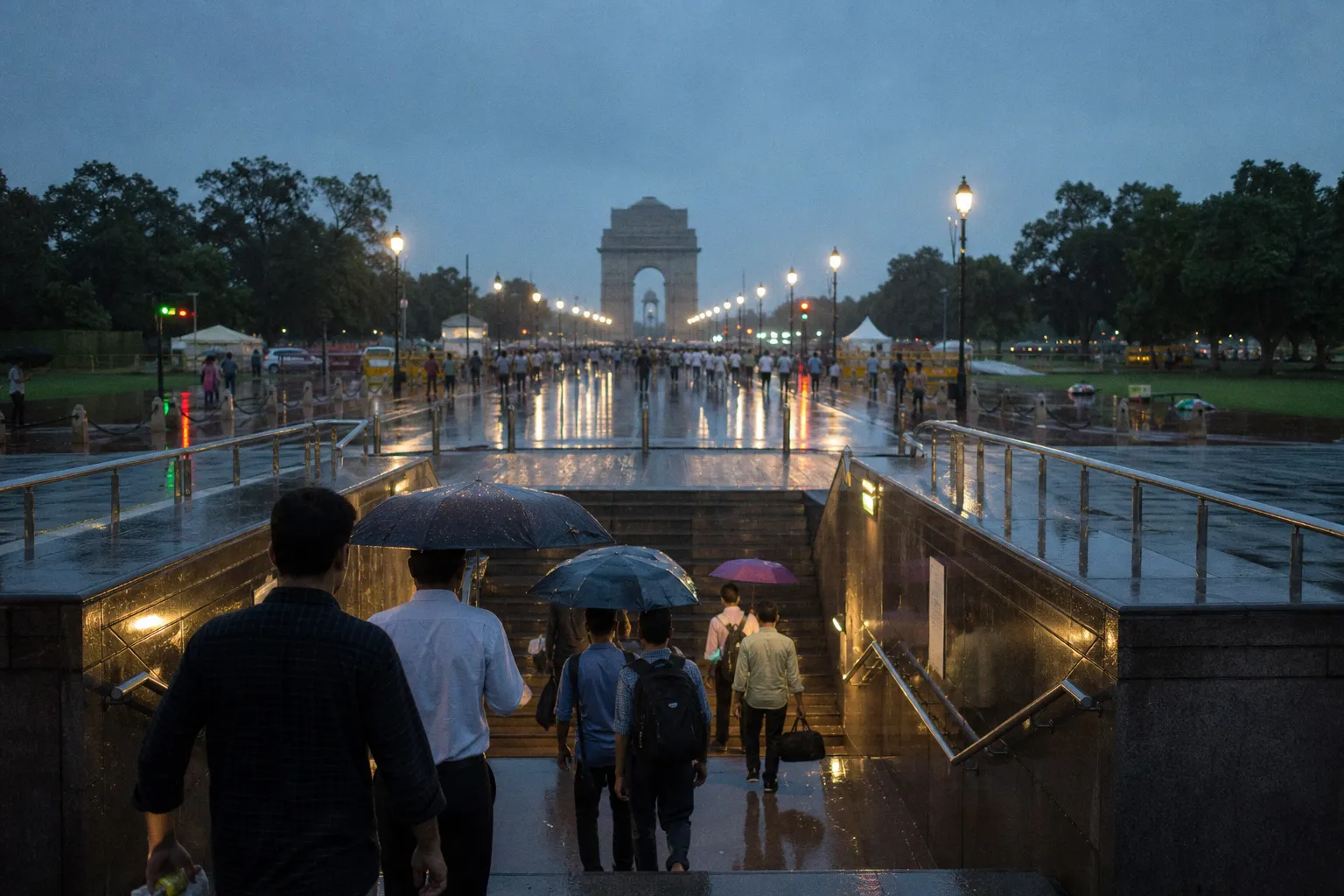
The embassy’s security alert cites expected large-scale protests by farmer organisations and activists, alongside significant traffic disruption and heightened security around Jantar Mantar and Parliament House as the Monsoon Session opens.
For visitors, this is not a reason to abandon Delhi. It is a reason to stop treating a central-city itinerary as frictionless.
Central Delhi is the weak link
The alert is specific about both timing and geography: July 20–21, with Jantar Mantar and Parliament House singled out. That matters because these are not isolated points on a tourist map; they sit in a part of Delhi where one delayed road movement can distort an entire day.
A tightly stacked plan—hotel checkout, a central meeting, museum time, lunch, then a train or flight—looks efficient on paper. During demonstrations and enhanced security, it becomes low-yield. The hidden cost is not merely a longer ride. It is lost flexibility: a driver rerouted, a pickup delayed, or a reservation that suddenly needs more buffer than the itinerary allowed.
Travelers whose plans depend on moving through central Delhi should treat the embassy’s warning as an operational alert, not background news.
Don’t build a schedule around “normal” traffic
The practical adjustment is simple: avoid making July 20 or 21 the day for a rigid central-Delhi circuit. If Jantar Mantar or the Parliament House area sits between your hotel and a fixed departure, leave meaningful contingency rather than relying on the usual travel-time estimate.
This is especially relevant for visitors using Delhi as a transit stop. The city rewards a well-paced itinerary; it punishes one that assumes every transfer will run cleanly. A supposedly premium hotel location is not much of an advantage if its surrounding roads are caught in disruption. Boutique standard or not, the logistics still decide the day.
The alert does not state that all of Delhi will be inaccessible, nor does it identify a broader list of affected roads. That distinction matters. There is no case here for blanket panic or an exaggerated “avoid Delhi” verdict. But there is a clear case for keeping plans flexible near the named areas.
What to watch before committing
The embassy says travelers should anticipate both traffic disruptions and heightened security during the opening of the Monsoon Session. For travelers, the sensible play is to keep the two dates light: choose plans that can move, allow extra time for any essential journey, and avoid treating a central Delhi appointment as the anchor for a packed day.
If a visit to Jantar Mantar or the Parliament House vicinity is optional, shifting it outside the alert window is the cleaner choice. Delhi has plenty of itinerary value; forcing the most disruption-prone corridor at the exact moment of expected protests is simply overrated planning.
The hard verdict: on July 20–21, Central Delhi may still be visitable, but it is unlikely to be efficient. Build around that reality—or let the schedule absorb the cost.