Budget Rail Travel in India: Beyond the Viral Trends of Southeast Asia
Thailand's Chiang Mai–Lamphun rail route has apparently gone viral across Asian social media, joining a wave of budget train tourism that now spans China, Japan, Singapore, Malaysia, South Korea, and India.
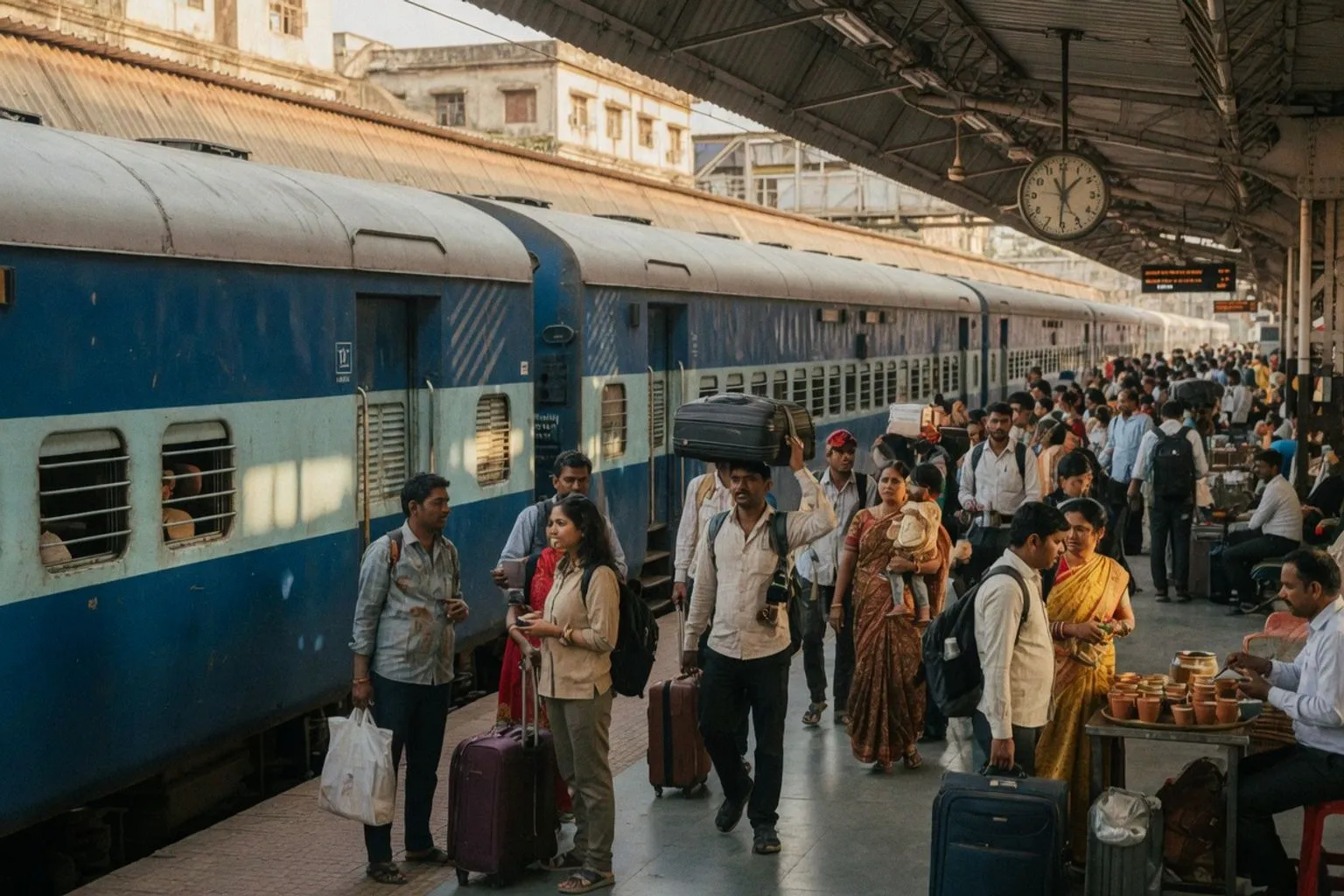
According to Travel And Tour World, this is being framed as a phenomenon accelerating low-cost travel and "authentic" experiences across the continent. For India-bound travelers, this is worth noting — not because you're booking a Thai train ticket, but because it signals a continental shift in how budget rail is being packaged and marketed.
India's Rail Network Already Won This Game
Here's the thing: India's been doing budget rail tourism for over a century. The difference is branding. While Thailand's Chiang Mai–Lamphun route is being celebrated as a discovery, India offers thousands of comparable short-haul scenic rides — the Kangra Valley Railway, the Nilgiri Mountain Railway, the Konkan stretch — that remain under the radar for most international visitors. The cost-per-kilometer on Indian Railways, particularly in Second Sitting or Sleeper class, makes these Thai "budget" rides look almost boutique by comparison.
The real gap isn't availability. It's visibility and packaging. Indian rail routes rarely get the Instagram-viral treatment because the infrastructure isn't designed around tourist-friendly wayfinding — signage, English announcements, booking clarity.
What the Trend Signals for Your India Planning
The broader pattern — budget rail as destination experience rather than mere transport — is relevant when building an India itinerary. Routes like Delhi to Rishikesh or Mumbai to Goa by train aren't just commutes; they're part of the travel experience. But unlike the curated Thai version, you'll need to do more legwork: choosing the right class, understanding IRCTC booking quirks, managing expectations around delays.
For cost-benefit hunters, Indian rail still delivers the highest yield. You're looking at sub-₹500 (under $6) for many scenic regional routes in Second Sitting — a price point the Thai viral route may struggle to match at scale once tourist demand inflates.
The Real Risk: Overtourism by Algorithm
This is the detail to watch. When a budget rail route goes viral across multiple Asian markets simultaneously, the destination absorbs pressure fast. India's comparable routes haven't yet faced this kind of algorithmic discovery — and that's arguably an advantage. The Kangra Valley line or the Araku Valley route in Andhra Pradesh still feel under-touristed. If the continental trend holds, that window may narrow.
For now, India's rail tourism remains high-yield and low-hype. Book ahead for peak season, yes — but don't wait for a headline to tell you what's worth riding.