Authentic India Travel: Planning Trips Around Local Culture
The hard fact is less exciting than the headline: this is not a new India-specific tourism programme, nor evidence that every “local experience” is worth booking.
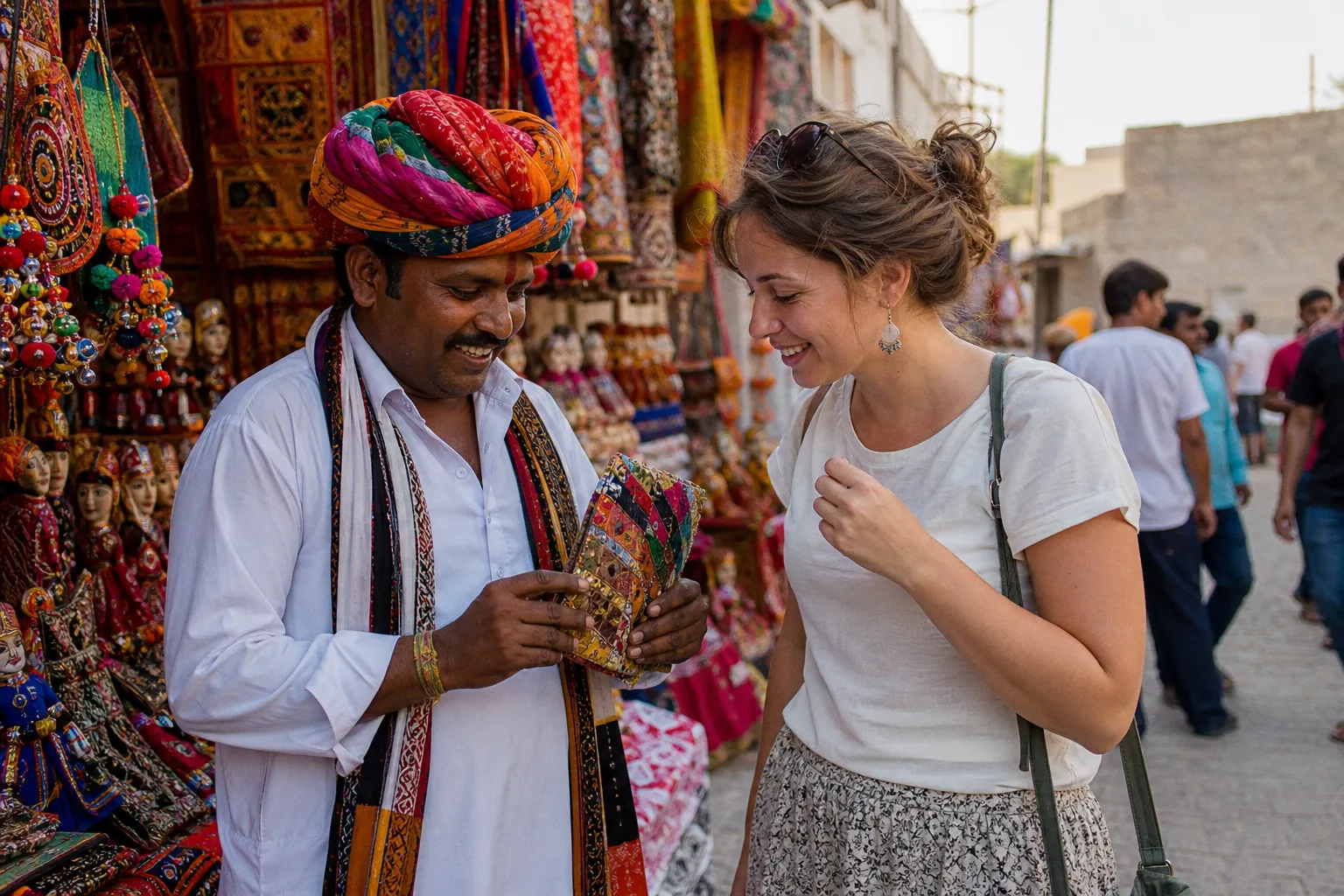
For India-bound travellers, the useful takeaway is practical. Build an itinerary around one or two locally rooted experiences with a clear place, producer or tradition behind them—not a generic hotel “culture night” sold at boutique-standard pricing.
Food is an itinerary tool, not an add-on
The report identifies local cuisine, traditional cooking methods and regional specialities as a growing reason for choosing destinations. That tracks as a planning principle for India, where a rushed, all-India food list is usually low-yield.
A better route is to let a region do the work. Use markets, cooking sessions, regional restaurants and food-focused stays to understand one place properly. The value is in specificity: a dish linked to a city, a local ingredient, a cooking technique with context. “Indian food” as a single category is the tourist-trap version of the country.
The same caution applies to street-food chasing. A famous market may be useful, but fame alone is not a cultural credential. Look for an experience that explains what you are eating, where it comes from and why it matters locally. Otherwise, it is just a queue with better lighting.
Local spirits need context, not hype
According to the report, guided tastings, educational visits and heritage-led beverage experiences are becoming more popular with international visitors across Asia. The promising part is not the drink itself; it is the route into agriculture, craftsmanship and family traditions that may sit behind it.
That distinction matters. “Authentic” has become travel’s most overused label, and a tasting without local context is merely a tasting. Before adding one to an India itinerary, ask the unglamorous questions: who is hosting it, what exactly will be explained, where does it take place, and is the activity genuinely tied to the region?
Hotels and tourism businesses are also said to be responding with regional menus, workshops, cooking classes and partnerships with nearby producers. Good—if the producer is named and the connection is real. If the pitch is vague, assume the cultural layer may be decorative.
The smarter India itinerary is narrower
The report’s broader argument is that travellers are moving beyond famous sights toward food, history, art, festivals and community-based encounters. That does not mean skip the major landmarks. It means stop treating them as the entire trip.
For a first visit, keep the famous stop if it earns its place, then attach a small number of experiences that reveal the destination’s working culture. One well-chosen cooking class, tasting, workshop or locally led food walk can be higher-yield than another half-day spent ticking off an overcrowded attraction.
Watch what operators actually disclose as this trend accelerates: named local partners, clear format, sensible logistics and a price that reflects substance rather than the word “immersive.” India does not need more packaged authenticity. It needs travellers willing to plan with enough precision to recognise the real thing.