Beyond the Golden Triangle: Five Emerging Indian States for Offbeat Travel
Five states—Karnataka, Arunachal Pradesh, Assam, Madhya Pradesh, and Gujarat—are actively promoting a cluster of lesser-known destinations to capture travelers fleeing India's overcrowded circuits…
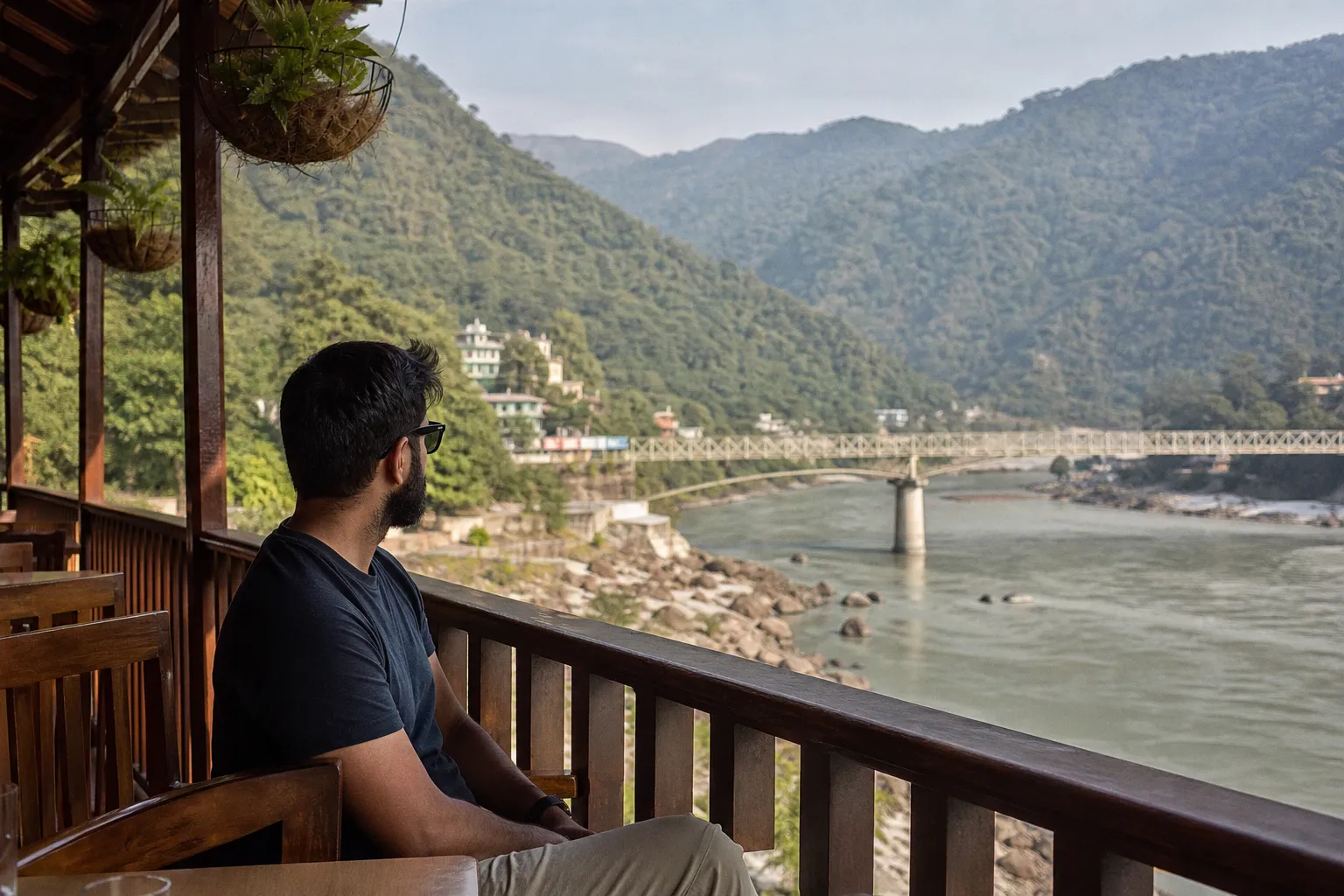
The push is on. Five states—Karnataka, Arunachal Pradesh, Assam, Madhya Pradesh, and Gujarat—are actively promoting a cluster of lesser-known destinations to capture travelers fleeing India's overcrowded circuits, according to Nomad Lawyer. This isn't a soft PR play; it's a direct response to a market shift toward offbeat, eco-conscious travel. For the international traveler, it means new, high-yield alternatives to the Golden Triangle, but with a major logistical catch.
The New High-Yield Quintet
Forget Goa's saturated shores. Karnataka is banking on Gokarna, a pilgrimage town turned beach and wellness hub. Think cleaner coastlines, cliffside treks, and yoga retreats—a slower, cheaper counterpoint to the south. Up in the eastern Himalayas, Tawang (Arunachal Pradesh) offers the high-altitude drama without the Shimla-Manali crowds. The real draw is the 17th-century Tawang Monastery and permits-required access, which filters out casual tourists.
The Brahmaputra's Majuli island (Assam) is a biodiversity play for culture-seekers, though river transport is the only way in. In the west, Gujarat's Dholavira sells itself as a UNESCO-grade Indus Valley Civilisation site—a historian's yield, not a beach party. And central India's Mandu (Madhya Pradesh) is a ruined city with Afghan-influenced architecture, offering heritage without Rajasthan's inflated prices.
The Catch: Permits and Planning
This is the fine print these state promotions often gloss over. Access isn't a casual hop. Tawang and other high-altitude areas in Arunachal Pradesh require Inner Line Permits (ILP) for foreigners, a bureaucratic step that needs pre-planning. For Majuli, island ferry schedules are infamously weather-dependent and slow. The advice to "book early" is critical, not a suggestion. Spontaneous travel to these spots can mean getting stranded or paying last-minute premiums. Infrastructure upgrades are cited, but the on-ground reality for international visitors is often a patchwork of limited public transport and community homestays.
The Investor Signal
The bet isn't just promotional. Antara Cruises is reportedly investing INR 500 crore to develop river cruise tourism in Assam, directly targeting the Majuli and Brahmaputra corridor. This kind of capital signals a longer-term play to build a sustainable tourism ecosystem around the island, potentially improving access but also risking the very tranquility it's selling. For now, it's a data point to watch.
The bottom line: these destinations offer legitimate alternatives with richer cultural or natural payoffs per rupee. But the "emerging boom" comes with a planning tax. If your travel style is unstructured, these are poor choices. If you're willing to navigate permits and basic logistics, you're trading crowds for complexity—a deal many seasoned travelers might accept.