Etihad accelerates growth with Dhaka launch and industry-first cargo training hub
Etihad is pushing a South Asia growth story, with Gulf Business reporting a Dhaka launch alongside what it calls an industry-first cargo training hub. For India-bound travelers, this is not a direct India-route announcement — and that distinction matters.
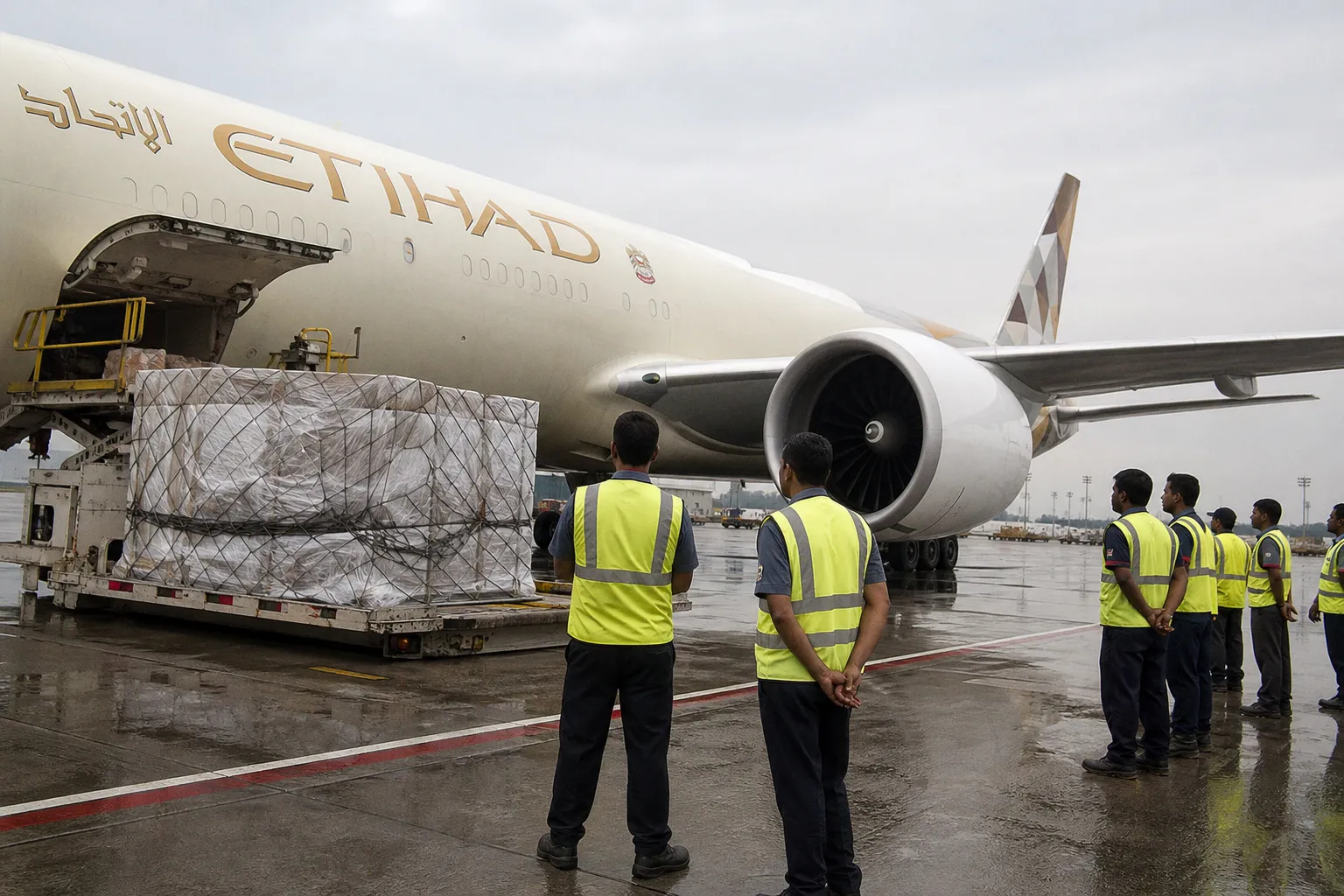
The useful takeaway is narrower: Gulf carriers are still adding weight around the subcontinent, but there is not enough confirmed detail here to reprice an itinerary or rebuild a route plan yet.
The real travel signal: South Asia capacity is still hot
Dhaka is the hard fact in the report, and it sits in the same regional travel map many India visitors end up navigating when fares spike or itineraries get messy.
That does not mean travelers should assume cheaper India tickets, better connections, or easier multi-country routing. The available source does not confirm schedules, aircraft, frequencies, fares, connection banks, or booking windows. No India city is named in the confirmed material.
So the consumer-first read is simple: this is a market signal, not a booking instruction.
For travelers planning India, especially those comparing Gulf-carrier routings, Dhaka’s addition is worth watching only if you are already considering a wider South Asia itinerary. Think Bangladesh plus India, not “this will automatically make Delhi or Mumbai cheaper.” That kind of leap is exactly how over-optimistic route news turns into bad fare logic.
Cargo hub headline: important for the airline, indirect for tourists
The second part of the Gulf Business report is Etihad’s “industry-first cargo training hub.” That is operationally interesting, but for a traveler building an India itinerary, it is not a front-desk benefit.
Cargo infrastructure can matter to airline strategy, reliability planning, and network positioning — but the source material here does not provide enough detail to link it to passenger experience. No claim is confirmed about baggage handling, food imports, airport performance, or ticket pricing.
In practical terms: don’t treat the cargo hub as a reason to choose Etihad for an India trip. Choose based on the unglamorous variables that actually hit your wallet and sleep schedule: total journey time, layover length, refund rules, baggage allowance, and arrival hour in India.
That is where the high-yield decisions are. Not in corporate infrastructure language.
What India travelers should monitor next
The missing details are the story. A proper route decision needs specifics: launch timing, frequency, airport pairings, connection design, and whether fares become competitive against existing one-stop options.
Until those details surface, the sensible move is to keep Etihad on the comparison list — not at the top by default. If you are flying into India, compare it against other Gulf and regional carriers on total cost, not headline momentum.
My verdict: useful signal, limited action. Dhaka adds another marker that South Asia remains a priority region for Etihad, but India travelers should wait for hard passenger-route data before changing plans.