Solo Travel Planning Strategies for Independent Explorers
Solo travel is no longer being treated as a fringe itinerary style. A Nomad Lawyer report on 2026 solo travel trends says independent tourism is gaining traction as travelers prioritize autonomy, local experiences, flexible pacing and digital connectivity.
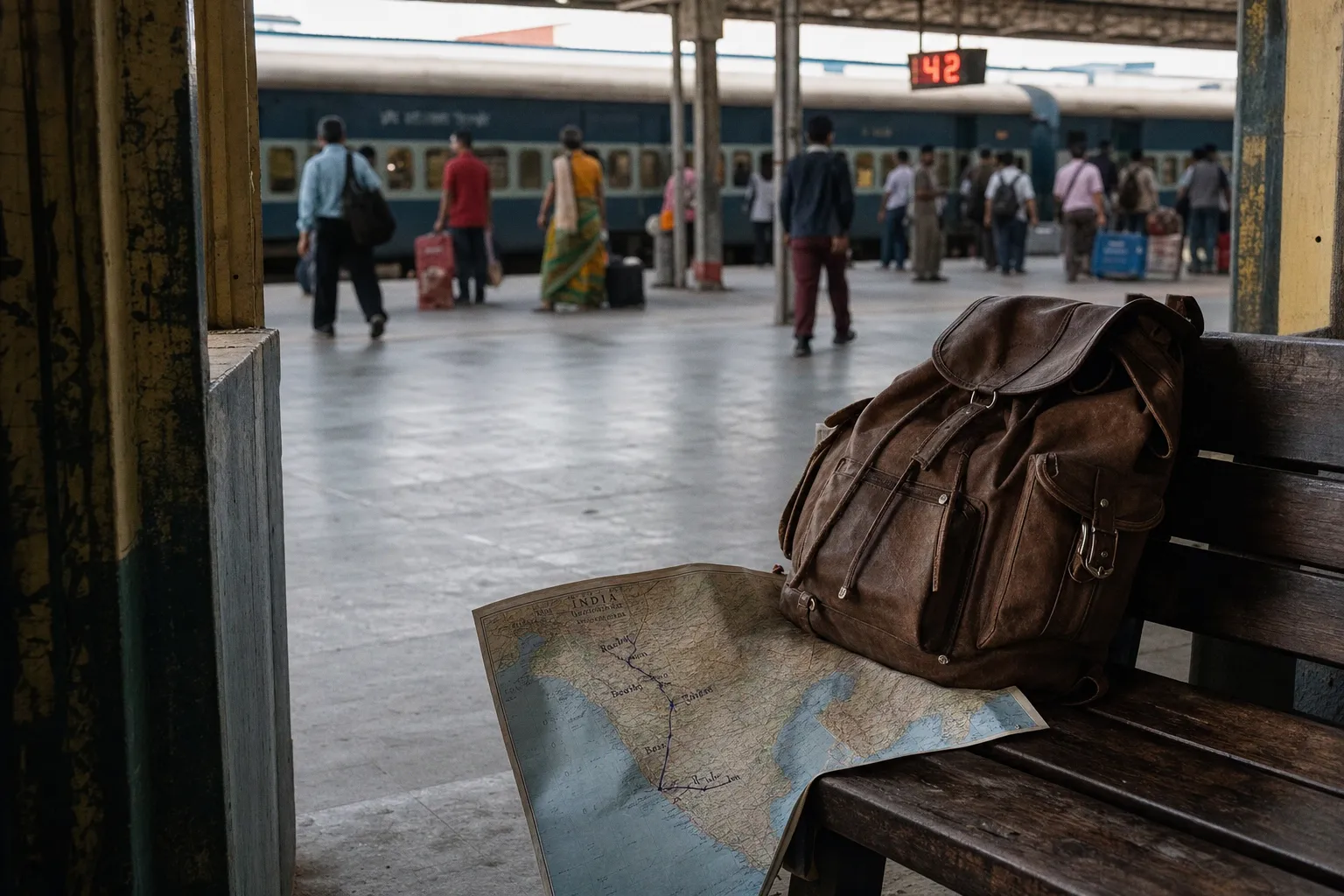
The new solo premium is planning load
The report frames solo travel as a structural shift in tourism, not just a personal-growth cliché. Sandeep Arora, director of Brightsun Travel India, is cited as saying the segment is gaining major traction, with more people choosing independent exploration and self-directed schedules.
That freedom has a cost: every decision sits on one person. No shared admin, no backup planner, no second opinion when a day starts to overrun. The report flags choice fatigue as a real downside and argues for a planning model that keeps flexibility but builds a secure logistical base.
For India itineraries, that is the difference between a high-yield route and a tourist-trap sprint. The smart solo traveler does not begin with monuments. The report’s stronger advice is to start with a categorized financial plan: flights, hotels, local transport, dining, excursions, shopping and an emergency buffer. That is unglamorous, but it prevents the classic budget bleed — cheap room, expensive transfers, scattered sightseeing, and a final week spent trimming meals and movement.
Neighborhood clustering beats heroic routing
The most useful planning point in the report is brutally simple: stop stacking distant attractions into the same day. It recommends consolidating activities by neighborhood — for example, pairing a market visit, museum stop and cafe in one area — to reduce transit fatigue and transport costs.
That matters more for solo travelers than for groups. A group can absorb a bad routing decision through shared cost and shared irritation. Alone, the penalty is sharper: more decision-making, more waiting, more exposure to weak transit choices, and less recovery time.
The same logic applies to accommodation. The report recommends choosing central, well-connected areas near medical services and transport links. That is not boutique-standard romance; it is risk management. A cheaper stay that forces long daily transfers can become overrated fast. A better-located hotel may cost more upfront but reduce friction across the whole itinerary.
The report also advises open schedule buffers. This is where many independent travelers sabotage themselves. They build an itinerary that looks efficient on paper and feels like punishment by day three. Solo travel rewards optionality: a free afternoon is not wasted inventory; it is operational slack.
Rankings show taste is shifting, but don’t outsource judgment
A separate Travel And Tour World report, covering Travel + Leisure’s 2026 World’s Best Awards, points to another market signal: travelers are rewarding character, consistency, atmosphere, comfort and emotional connection — not only conventional luxury.
The awards were announced on July 7, 2026. Travel + Leisure says more than 207,000 readers took part in the survey, with more than 661,000 votes across hotels, cities, cruise lines and other travel properties. The report says San Miguel de Allende was named Best City in the World, ahead of Kyoto, Chiang Mai, Hoi An and Oaxaca, with Bangkok, Jerusalem, Siem Reap, Mexico City and Tokyo also in the top ten.
For India-focused travelers, the takeaway is not to chase other people’s rankings. It is to notice the judging criteria. Walkable cultural depth, food, hospitality, design and local storytelling are being rewarded. Those are useful filters when building a solo route anywhere, including India: pick places where the daily experience is coherent, not just where the landmark list is long.
Food also belongs in the logistics column, not the afterthought column. If dining is part of the budget pool, travelers should treat standards, regulation and market incentives as practical context; even adjacent policy discussions such as food-safety regulation and economic-growth goals show why food systems are not just lifestyle decoration.
The hard recommendation: build solo India plans from the ground up — budget first, neighborhood clusters second, buffers always. Autonomy is valuable. Unstructured autonomy is just expensive confusion.