Air India and Tourism Ministry Partnership: What It Means for Your Travel Plans
According to Travel Trends Today, Air India and India’s Ministry of Tourism have partnered to elevate the country as a global tourism destination.
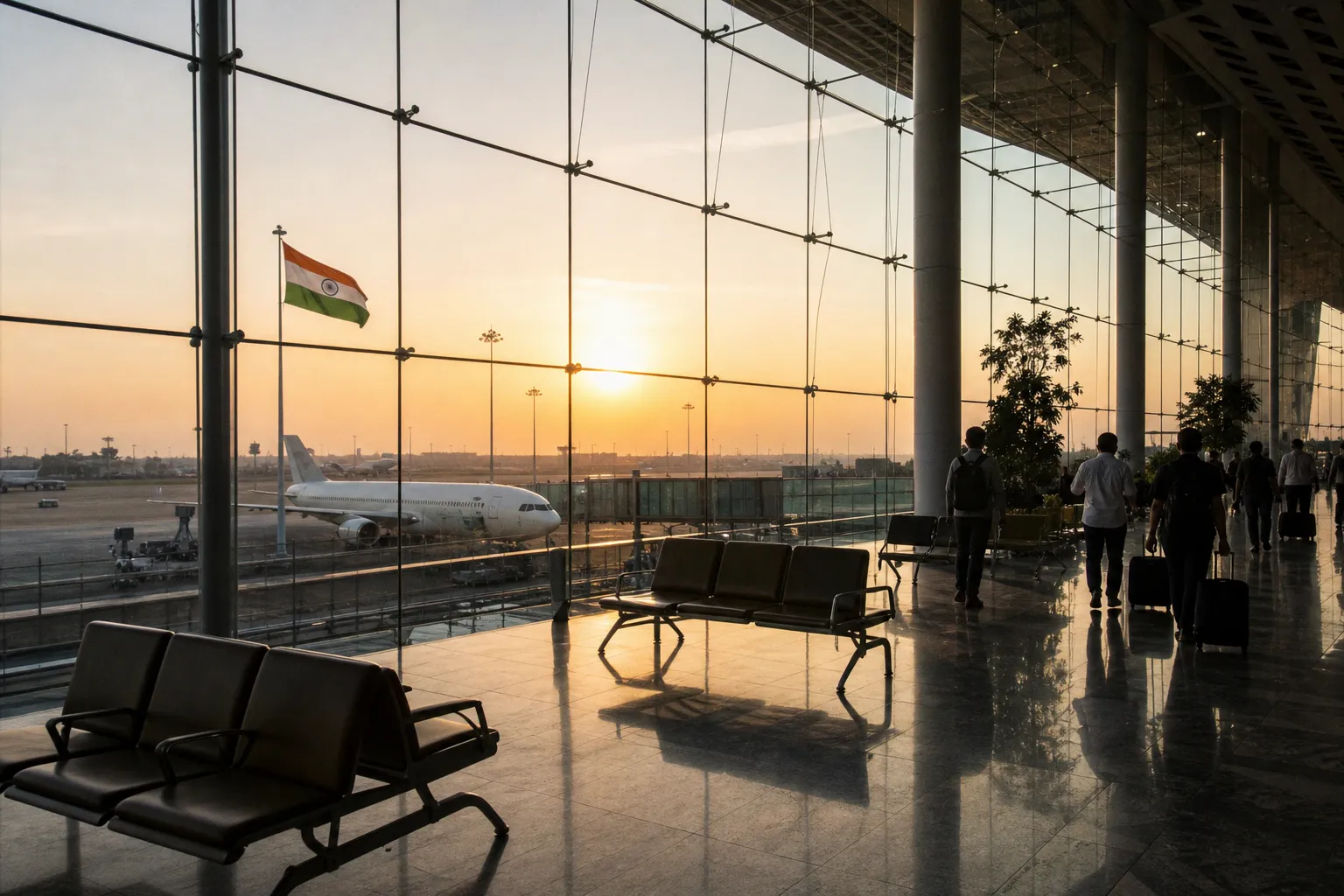
Moneycontrol and Devdiscourse report the same tie-up, framing it as an effort to position and promote India for international travel. For visitors planning routes rather than collecting slogans, the immediate payoff is still unclear: the available reports confirm the partnership, not a new fare, flight, visa rule or itinerary advantage.
The announcement is real; the traveller benefit is not yet specified
The headline is straightforward: Air India and the Tourism Ministry are working together around India’s global tourism positioning and the “Incredible India” campaign.
What is missing matters more. The material available does not set out new routes, frequencies, stopover products, bundled hotel offers, airport-transfer arrangements or traveller-facing discounts. It also does not identify a launch timetable or destination-by-destination focus.
That makes this a policy-and-promotion announcement, not a booking signal. Treat it accordingly. India does not become easier to navigate because two institutions announce a partnership; it becomes easier when the changes show up in schedules, prices and usable ground logistics.
Don’t build an itinerary around a press-release promise
For now, there is no confirmed reason to rework a Delhi–Rajasthan–Varanasi circuit, add a domestic connection, or choose Air India over another carrier solely because of this partnership. The high-yield move is to watch for concrete follow-through—not broad language about “global destinations.”
The practical markers are simple: an actual service you can book, a fare that survives comparison, or a coordinated offer that removes friction from an arrival or multi-city itinerary. Until then, the announcement has promotional value, not proven consumer value.
This distinction is especially important in India, where a cheap-looking long-haul ticket can be the least consequential part of a trip. A poorly timed domestic connection or an unnecessary backtrack can wipe out the apparent saving fast. No such operational improvements are confirmed here.
Goa is a useful reminder: marketing is not the same as demand
Separately, Daijiworld reports that Goa has missed the top 10 domestic tourism destinations for a third consecutive year. The available information does not explain why, and it should not be used to declare Goa overrated or to predict its international appeal.
But it does underline the limit of destination branding. A nationwide campaign can raise visibility; it cannot, on its own, solve the traveller’s real calculation: which region fits the route, the season, the flight plan and the tolerance for transit.
The verdict: watch this partnership, but do not pay a premium or redraw a route for it yet. The announcement is a starting gun for marketing. The traveller case begins only when Air India and the Tourism Ministry put specific, bookable details on the table.