Chef Manish Mehrotra on Finding Authentic Flavors Beyond India's Tourist Trails
According to Travel + Leisure Asia, chef Manish Mehrotra’s most useful travel rule is not a booking hack: start in the market, then eat where the city actually eats. For visitors planning India through marquee restaurants alone, that is the corrective.
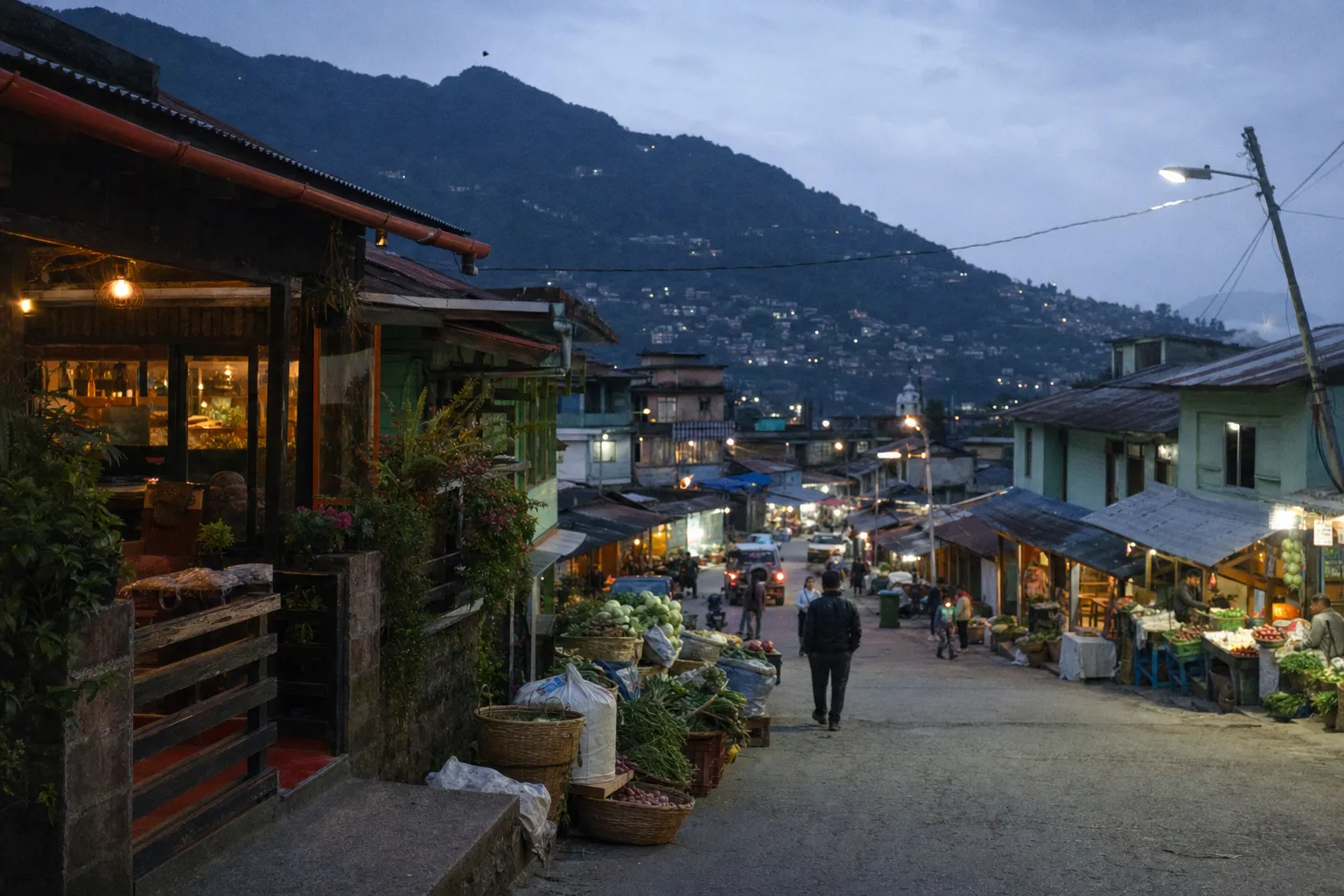
The high-yield meal may be a bowl of dal-chawal, a roadside saag, or a lunch spot without a reservation system—not the place with the loudest reputation.
Mehrotra, whose new independent restaurant Nisaba has drawn attention since opening earlier this year, traces one of its dishes to a highway dhaba meal: saag finished with hot tadka and chopped boiled eggs. It is a concise argument against the tourist-trap instinct to equate “authentic” with either spectacle or luxury.
The market is the itinerary, not a detour
Mehrotra says he begins travel by visiting local fish, vegetable and meat markets. That is sound India planning. Markets show the ingredients, pace and working logic of a place before a visitor has committed to an overrated restaurant list.
The practical sequence is equally clear: market first, a small café, street-food stall or casual local lunch next, then a formal dinner if it genuinely merits the time and money. This is not anti-fine dining. It is anti-bad value. A polished meal can be worthwhile, but it should not consume the entire day’s budget or erase the food around it.
His point is reinforced by an experience in New York: a small tofu shop in Chinatown proved more memorable than a famous address might have been. India has the same asymmetry. Visibility and quality do not reliably travel together.
Simple food is not the fallback option
The chef grew up in a vegetarian household and says that simple ingredients can produce exceptional food; ginger-garlic paste, coriander, dal and rice are among the flavours that take him back to India. For travellers, that matters because the country is too often approached as an endless hunt for maximal spice, elaborate thalis and “must-try” dishes designed for cameras.
That framing misses the point. A plainly served dal-chawal after travel, or a well-made tadka over greens, can tell you more about a kitchen than decorative garnish ever will. The boutique-standard dining room may be enjoyable; it is not automatically the better introduction.
Mehrotra also describes a taco in New York that recalled phulka rolls made at home. The useful takeaway is to notice connections rather than chase novelty for its own sake. Indian food is not a fixed checklist. It is technique, memory and regional ingredients in motion.
Meghalaya is the smarter unfinished chapter
For Mehrotra, the next major culinary destination within India is the Northeast—especially Meghalaya. He says he has not been there and does not know its cuisine well enough, which is precisely why he wants to walk Shillong’s markets and learn what is available.
That is a better reason to add a region than the usual social-media rush. Meghalaya is not presented here as a “hidden gem”—a phrase that usually marks the beginning of inflated rates and crowded viewpoints—but as a place worth approaching with curiosity and restraint.
The wider travel lesson is blunt: build room for meals that are discovered, not pre-approved. Keep one formal reservation if it matters to you; leave the rest of the day open for markets, small kitchens and regional food that does not need a sales pitch. Even travellers who track fixed-income funds using Bloomberg’s Global Aggregate USD Sukuk Index know that a named benchmark is not the same thing as value. In India, the same scepticism pays off at the table.