Asia Tourism Growth: Navigating India and Regional Travel
Asia is now being framed as the world’s main tourism growth engine, with Travel And Tour World reporting that the continent accounts for more than 31% of global international travel demand.
Asia’s travel boom is really an air-connectivity story
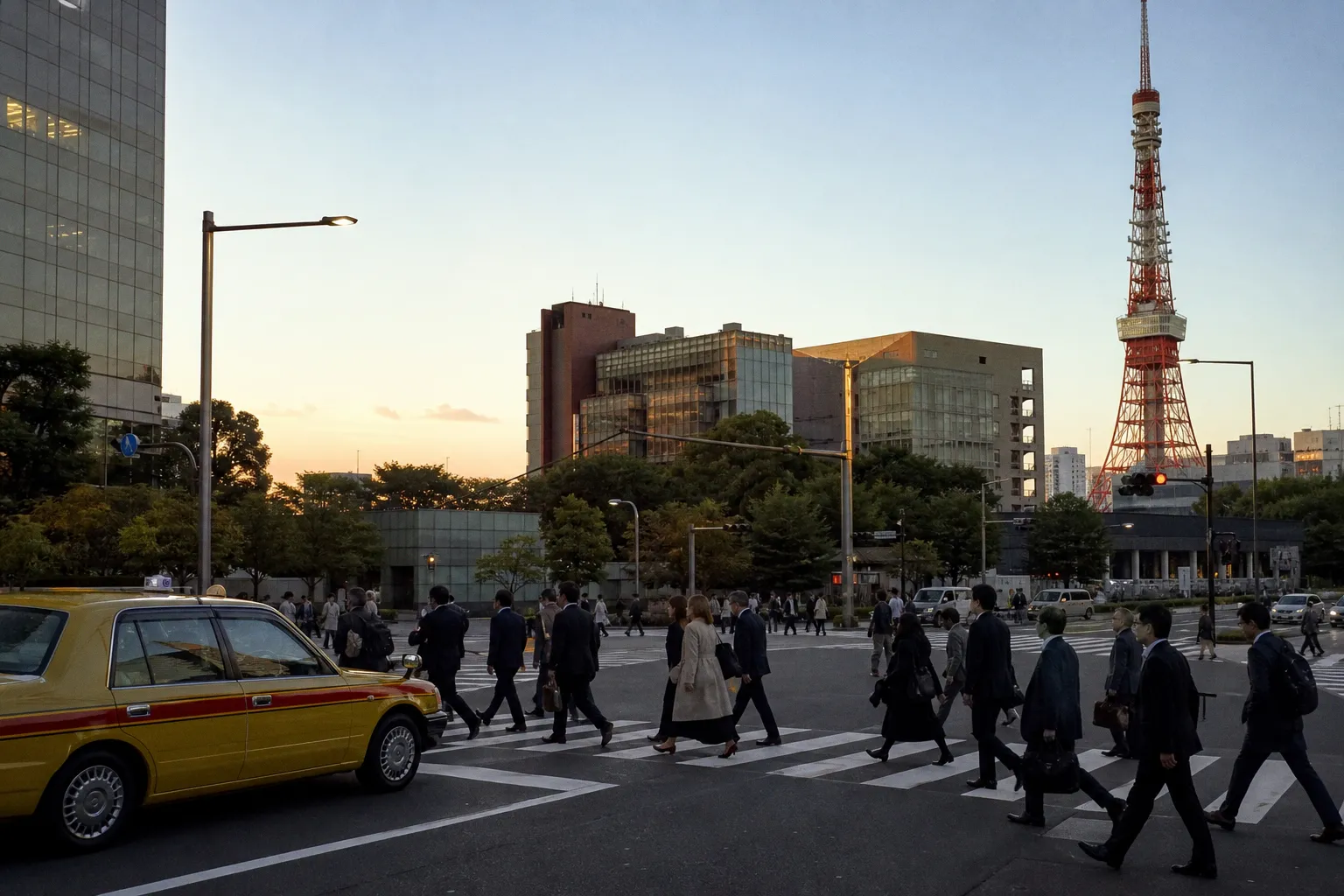
The headline number is big, but the machinery behind it is familiar: flights, hubs and easier transfers. The report points to expanded international routes linking gateways such as Bangkok, Singapore, Tokyo, Seoul, Kuala Lumpur, Bali, Hong Kong and Hanoi.
That matters because Asia is increasingly being sold as a network, not a single destination. A traveler may now stitch together Singapore, Bangkok, Chiang Mai, Phuket and Bali — or swing toward Tokyo — within one trip. That sounds efficient on paper. In practice, every extra border, airport transfer and hotel change adds cost and fatigue.
The strongest-performing tourism markets named in the report include Thailand, Japan, Singapore, Indonesia, Vietnam, Malaysia and South Korea. India appears in the broader headline mix, but the available source text does not give India-specific arrival numbers, routes or city data. So the smart read is cautious: India is part of the regional conversation, but travelers should not assume the same plug-and-play infrastructure they may find in Singapore, Bangkok or Tokyo.
The winning cities are compact, connected — and often expensive
The report highlights why certain Asian gateways convert demand so well: airport access is clear, city connections are visible, and short-stay itineraries are easy to package.
Bangkok’s Suvarnabhumi Airport is described as about 30 kilometres from the city centre, with an Airport Rail Link. Singapore Changi is around 20 kilometres from Marina Bay and connected by MRT. Tokyo has a split proposition: Narita is about 60 kilometres from central Tokyo, while Haneda is roughly 20 kilometres away. Bali’s Ngurah Rai International Airport is listed at about 13 kilometres from Kuta. Hanoi’s Noi Bai is about 28 kilometres from the Old Quarter, while Ho Chi Minh City’s Tan Son Nhat is around 7 kilometres from District 1.
This is where India travelers should pay attention. The competitive benchmark is no longer just “Is the destination beautiful?” It is: how quickly can a visitor get from runway to bed, from hotel to food, from city to next leg? Asia’s high-yield tourism hubs are winning because they reduce friction.
India has the depth — heritage, food, mountains, cities, coast, spiritual routes — but itinerary design has to be sharper. A first-time visitor trying to bolt Delhi, Agra, Jaipur, Varanasi, Goa and Kerala onto a wider Asia trip can end up with a tourist-trap itinerary: impressive on a map, punishing on the ground.
For India trips, build less and spend better
The rise of multi-country Asia travel is useful if India is treated as a serious leg, not a filler stop. The worst plan is to add India because “we’re already in Asia.” Distances, domestic transfers and recovery time matter.
A tighter route usually beats a bloated one. Pair North India with a focused cultural circuit. Pair South India with slower food, coast and temple travel. If combining India with Southeast Asia or Japan, leave room for airport buffers and the first-night reset. That is not luxury thinking; it is damage control.
The other point: regional demand above 31% means popular Asian gateways are unlikely to behave like bargain backwaters. Better air links can create competitive fares, as the report notes, but they also concentrate demand around the same hotels, districts and seasons. Boutique-standard stays in the best locations will price accordingly. Cheap rooms far from transport can erase their savings in taxis, time and stress.
The practical verdict: Asia’s growth is real enough to shape how India should be planned. Use the regional network, but do not let it bully you into a frantic itinerary. For India, fewer stops, better routing and honest transfer math will beat the overstuffed “five countries in two weeks” fantasy almost every time.