Dr. Souvagya Mohapatra Appointed Chair of FICCI Eastern Tourism Committee
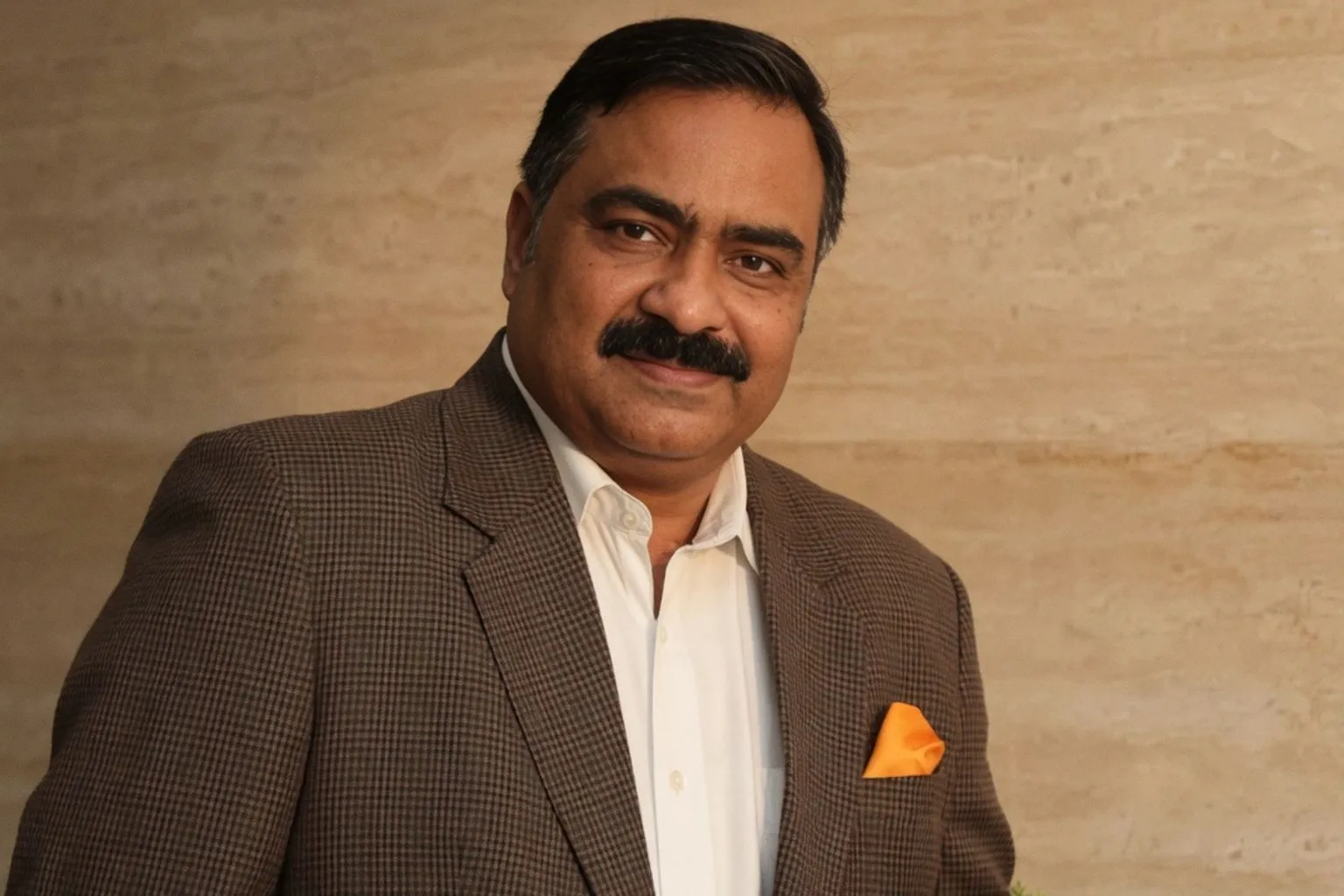
A one-year tourism committee appointment will not change your India itinerary overnight — but it can signal where the industry wants attention, money, and infrastructure to move next. Travel And Tour World reports that Dr.
Eastern India is still the underpriced route — if you can handle the logistics
The committee sits under FICCI’s National Tourism Committee and is positioned around Eastern India, a region the source describes as rich in heritage sites, spiritual destinations, beaches, wildlife reserves, tea gardens, hill stations, and culturally distinct communities.
That list sounds broad because the region is broad. It also explains the opportunity. Many first-time India trips still overpay in the Golden Triangle, then bolt on a beach or a hill station as an afterthought. Eastern India often sits outside that default circuit, which can mean better cost-benefit — but also more planning friction.
The appointment matters because the committee’s stated areas include policy discussions, infrastructure development, destination branding, investment promotion, skill development, and public-private partnerships. None of that guarantees smoother trips next season. But these are exactly the boring, high-yield levers that decide whether a destination becomes usable for international visitors rather than just photogenic on a brochure.
The hospitality angle is the real tell
Mohapatra is currently Managing Director for India, Nepal, Bhutan, and Sri Lanka at Atmosphere Core, according to the source. Travel And Tour World also describes him as having more than 33 years of experience in hospitality and tourism, including premium hotels, brand development, operations, guest experience, and business growth.
That background is important. Destination development is not only about monuments and airports. It is about whether hotels can maintain service standards, whether staff understand international expectations, whether investors see enough upside, and whether the experience holds together outside one showcase property.
This is where travelers should stay skeptical. “Sustainable growth” and “destination branding” can become soft-focus PR very quickly. The test is practical: better transport links, more reliable accommodation choices, clearer local information, and fewer weak links between arrival, stay, and onward travel.
For active travelers — hikers, wildlife visitors, tea-country walkers, and anyone treating India as more than a city-hop — the same applies. A destination is only as good as its ground game: transfers, recovery time, weather windows, and equipment choices. If your trip leans outdoors, it is worth pairing route research with basic preparation around hiking, trail fitness, and camping gear before assuming the map distance tells the full story.
What to watch before booking around the hype
The committee is expected to support collaboration among government agencies, tourism boards, hospitality companies, investors, and other industry stakeholders. That is a useful framework, but travelers should not mistake it for immediate delivery.
Watch for concrete signs: new hotel openings with credible operating standards, improved regional connectivity, clearer destination information, and better-trained local tourism services. If those appear, Eastern India becomes a stronger candidate for second-time visitors to India — especially those bored by the most packaged circuits.
For now, the smart move is targeted curiosity. Do not rewrite a trip just because an industry chair has been named. But if you are building an India itinerary with room beyond Delhi, Agra, Jaipur, Goa, or Kerala, Eastern India deserves a harder look. The upside is real; the logistics still need respect.