Solo Senior Travel in India: Strategic Planning for 2026
Solo senior travel has stopped being a curiosity and is now reshaping how hotels price rooms.
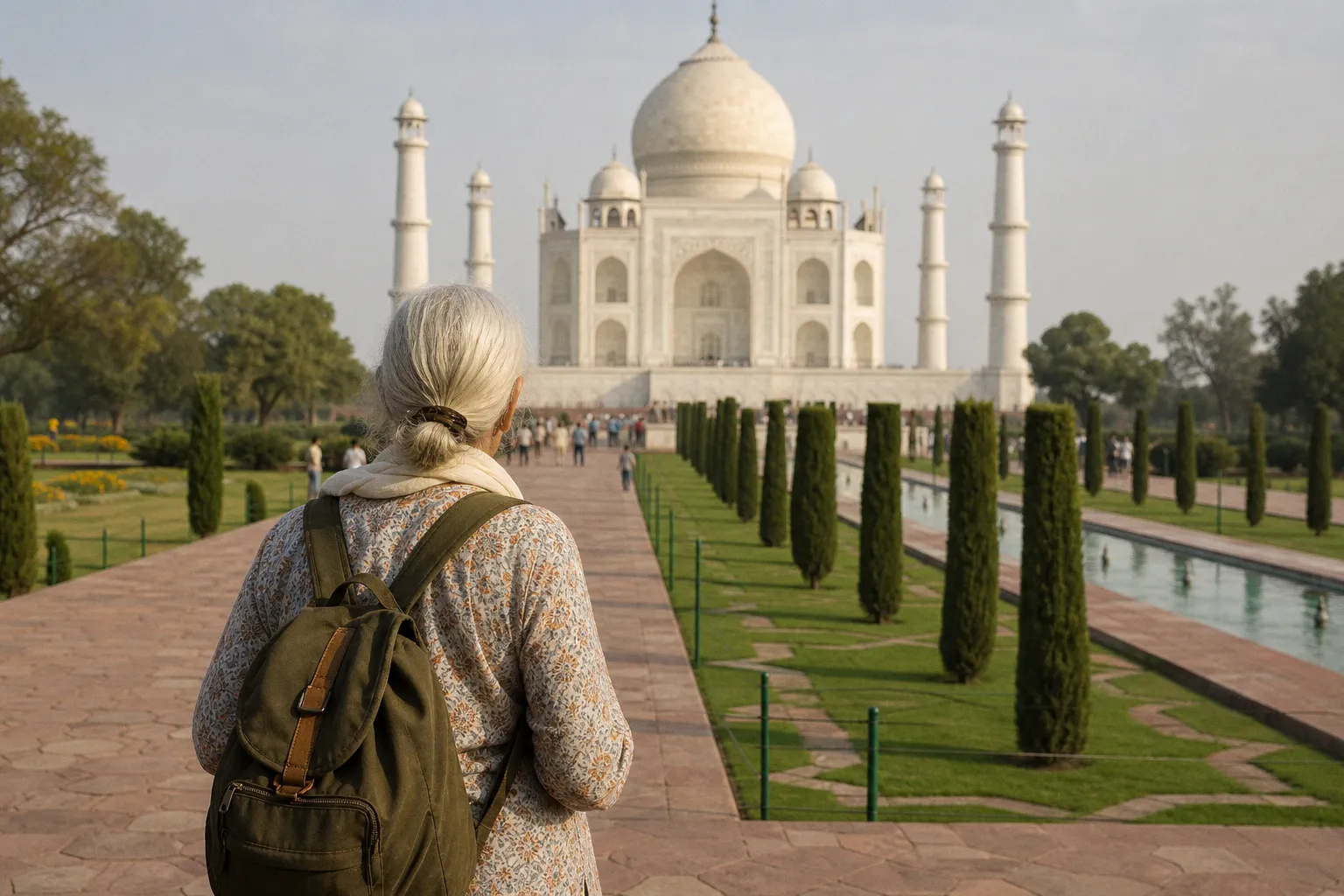
The Pricing Shift Already Favors India
Hotels and cruise lines are actively dismantling the single supplement — the surcharge that historically punished solo travelers with double-room rates. Chains are rolling out single-friendly pricing models. Cruise lines are redesigning ships around dedicated single cabins paired with shared social spaces.
India's mid-range market has always been structurally cheaper for solos at this level. A heritage haveli in Rajasthan or a boutique stay in Cochin simply doesn't carry the single-occupancy penalty baked into international chains. That's India's underrated edge: single pricing has effectively been default for decades at the boutique and mid-tier segment. The global shift just means more transparency in how it's marketed.
Where the India Playbook Works — and Where It Doesn't
The "quiet luxury wellness retreat" model highlighted in the trends — structured around rest rather than sightseeing — maps directly onto Kerala's ayurveda centers and Rishikesh's ashram circuit. These are purpose-built for solo mature travelers: fixed daily schedules, medical oversight, communal dining, and pricing that doesn't punish single occupancy.
Small-group walking tours balancing guided safety with free time? Already abundant across Rajasthan's heritage circuit and Kerala's backwaters. Cruise-line single cabins, though, are irrelevant to India.
The accessibility narrative from the source — step-free boarding, clear signage, better street lighting — describes developed-world municipalities. In Indian cities, the practical priorities for a solo senior traveler look different: pre-booked airport transfers over negotiating cabs after a 14-hour flight, medical documentation backups over navigation app reliability, and accepting that real-time translation apps are useful but Google Maps routinely fails in older neighborhoods.
What to Watch in 2026
Three signals will indicate whether India's accommodation sector is genuinely adapting to the senior solo wave rather than just acknowledging it:
1. Single-occupancy pricing at mid-range chains becomes published and consistent, not negotiated
2. English-language medical concierge services appear at boutique properties outside the luxury tier
3. Tour operators formalize "slow India" itineraries capped at 14 days — enough depth without overexertion
Until then, India remains a high-yield destination for the independent senior traveler who treats logistics like a project, not a daydream.